
I was standing inside a federal prison watching two inmates negotiate over a drawing. One of them had spent the better part of a week hunched over a metal desk sketching the daughter of another inmate from a photograph that looked like it had survived years of being folded, unfolded, mailed across the country, stuffed into lockers, and carried around in pockets. The portrait was remarkable, not because it came from prison, but because it was genuinely good. Every detail was there, every shadow was right, and for a few moments you could almost forget the artist was sitting behind razor wire.
What fascinated me had nothing to do with the drawing itself, it was watching two grown men negotiate value without ever mentioning a regular dollar, only “macs”, short for mackerels.
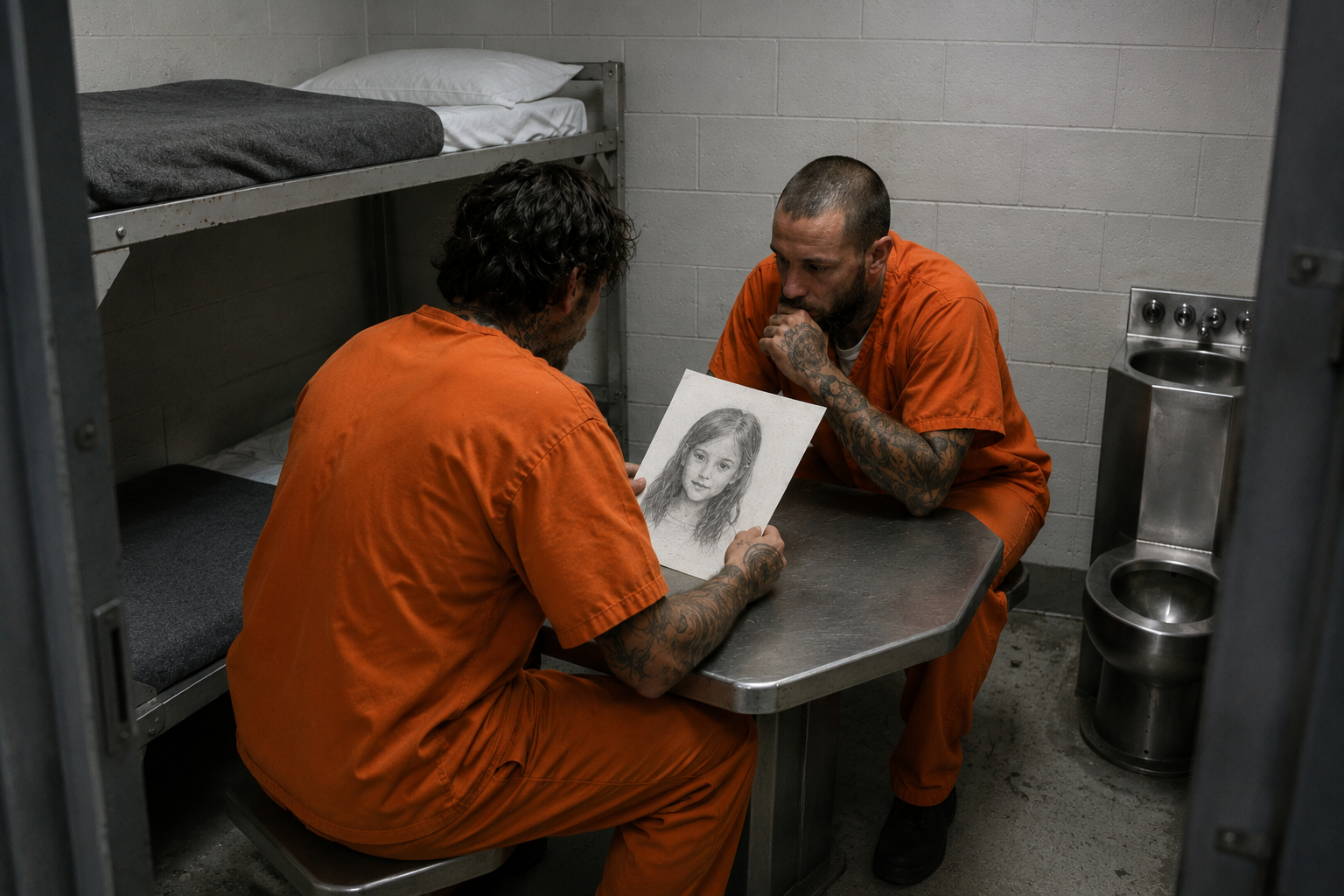
Because dollars were irrelevant in that environment. One man believed the portrait was worth a certain amount of commissary, while the other believed it was worth more. The discussion moved back and forth with the same seriousness you would expect from two business owners' negotiating a contract. Nobody was emotional about it. Nobody was asking for charity or doing anybody a favor. They were simply trying to determine what a father's connection to his daughter was worth inside a system where traditional money had effectively disappeared.
Standing there watching the conversation unfold, it occurred to me that human beings have been doing this exact same thing for thousands of years. Long before banks, credit cards, payment processors, and cryptocurrency existed, evangelists flooded social media with promises of a financial revolution, people were already trading labor, skills, knowledge, and relationships. Money eventually made those transactions easier, but money never created value. Value was already there.
Prison simply strips away enough modern conveniences to expose the machinery underneath. Like the guy who could cut hair always had something to trade. Same as the guy who could draw, or understood legal paperwork became valuable. The guy who could repair electronics, navigate bureaucracy, those skills became currency. Everybody eventually discovered they possessed something another person needed, and once that realization occurred an economy appeared all by itself without permission, oversight, regulation, or instruction. Human beings do not need economists to create markets, as human beings create markets the same way water finds a crack, lol.
Tattoo artists operate the same way but in a completely different environment. The average person assumes tattooing operates entirely on cash because that is the visible transaction. A client walks in, agrees to a price, gets tattooed, pays the artist, and leaves. That is the version everybody sees. What most people never see is the secondary economy operating quietly underneath the surface where value often moves in directions accountants would struggle to understand.
I've watched artists trade tattoos for a transmission rebuild because a functioning truck was worth more than cash at that moment. I've also been present while tattoos were exchanged for custom fabrication work, welding, photography, website development, and enough specialized services to fill an entire business directory. I have met traveling artists who crossed multiple states by strategically trading artwork, knowledge, and relationships along the way. Nobody involved viewed these arrangements as unusual because everybody understood exactly what they were receiving.
People believe price and value are interchangeable, and they're not. Price is simply a number attached to a transaction, and value is contextual. Value changes depending on circumstances, timing, need, and opportunity. A tattoo worth one thousand dollars on paper may be worth substantially more when exchanged for a skill, service, or relationship that solves a larger problem.
Tattoo culture has always understood this because many artists came up in environments where cash was often the least available resource. Apprentices slept on couches, artists borrowed machines, and shop owners extended opportunities. People traded introductions, referrals, guest spots, equipment, and favors long before they had healthy bank accounts. Entire careers were built through networks of trust before money ever entered the conversation.
That reality becomes difficult to ignore once you start paying attention because some of the most successful people in tattooing are not necessarily the people with the most money. They are often the people with the strongest relationships. They know mechanics, photographers, lawyers, promoters, and a variety of business owners. They understand something that modern society seems increasingly determined to forget, that relationships compound, and money gets spent.
The tattoo itself is often the smallest part of the transaction. A client may walk in looking for a tattoo and walk out becoming a lifelong friend. Same as a business relationship may start with a small piece of artwork and eventually create opportunities neither side could have predicted. Think about it…... a referral can become a career, an introduction can become a partnership, and a favor can return years later in a completely different form. That's not unique to tattooing. Tattoo culture simply makes it easier to see.
The older I get, the more convinced I become that some of the strongest economies in the world are not built on money at all. They are built on trust, reputation, relationships, and the simple understanding that value exists in many forms whether a spreadsheet recognizes it or not.
Inker.com understands this and behind every tattoo sits a network of relationships, opportunities, referrals, and trust that most people never see. The tattoo may be the visible transaction, but the real value often starts moving long after the machine is turned off because the strongest economies have never been built solely on money. They have always been built on people.