
What Happens When Everyone's Trauma Dumps Into Your Chair
The Emotional Weight Tattoo Artists Carry
“You ready?”
The stencil gets pressed into place while the artist checks the positioning one more time.
“You good with the placement and alignment?”
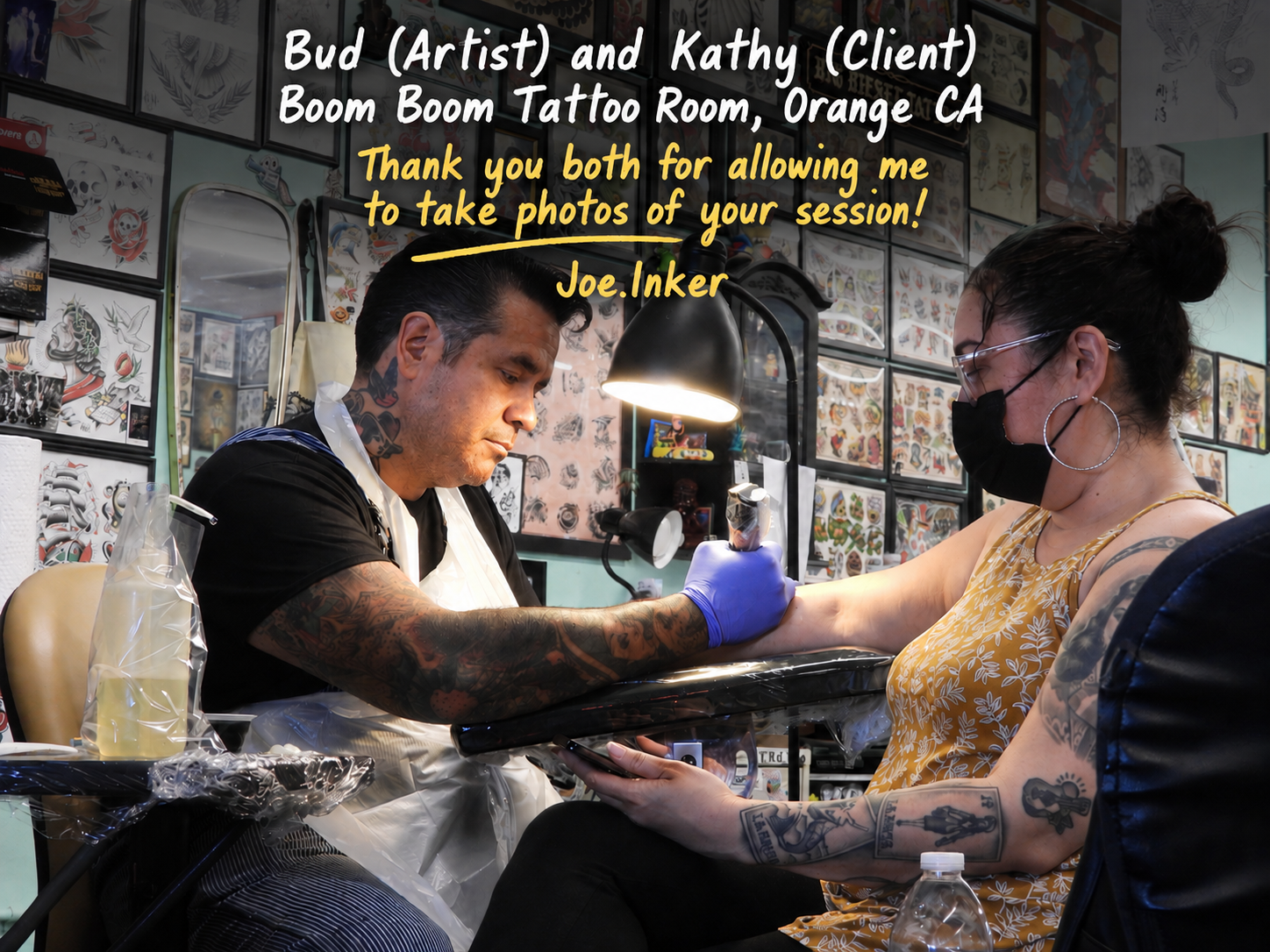
The client looks in the mirror for a few seconds, nods, sits back down, and the setup continues while normal conversation fills the room. Work, kids, bills, whatever happened earlier that day. Just surface level conversation, nothing unusual. Then the tattoo starts, and somewhere during the session, the conversation changes.
It happens inside tattoo shops every day. Clients walk through the door carrying years of pressure buried underneath their skin, then slowly start unloading pieces of themselves into the room while a stranger tattoos them. Divorce, addiction, childhood abuse, PTSD, deaths, and something I'm unfortunately familiar with, prison. These are the kinds of conversations people suppress and start coming out naturally inside tattoo shops while an artist is sitting inches away trying to focus on linework, stretching skin, and making sure something permanent heals correctly.
Tattoo artists hear everything, not occasionally, but constantly. At some point tattoo shops quietly became one of the last places left where people still feel comfortable speaking honestly without feeling analyzed, corrected, or judged. There's no scripted environment, and no forced professionalism pretending human beings aren't mentally exhausted underneath the surface. Hours pass, the pain enters the equation, followed by adrenaline, which mitigates the pain, then the walls come down.
The part nobody really discusses publicly, and “don't quote me on this” because I know there's at least one study out there, I'll mention later, is what happens to artists mentally after years of carrying everybody else's emotional debris home with them. Shop to shop and artist to artist, pieces of this conversation probably exist already in different forms, through burnout, exhaustion, feeling mentally baked, needing to decompress after sessions, but I don't think the industry has fully stopped to recognize what's really happening during this constant exchange of emotional energy between clients and artists all day long.
The industry still runs on this unspoken mentality where everybody's expected to absorb everything silently while continuing to function at a high level. Meanwhile artists are balancing physical pain, financial pressure, inconsistent income, for sure terrible sleep, and emotional exhaustion while strangers continuously trauma dump directly into their nervous system five or six days a week.
A memorial tattoo for somebody's dead brother, a self-harm coverup right after that, a client explaining how addiction destroyed their family while getting sober dates tattooed across their chest. Somebody casually describing trauma so dark the room goes silent for a second before the artist wipes the skin and keeps working because another appointment is already waiting.
That emotional accumulation doesn't just disappear.
A 2024 study published through PubMed examining tattoo artists and suicide prevention found that artists regularly encounter conversations involving trauma, grief, depression, suicidal thoughts, self-harm, and severe emotional distress during tattoo sessions. Researchers noted that many tattoo artists function as informal emotional support systems despite having no formal mental health training whatsoever.
Tattoo artists already knew all of this long before researchers finally started putting clinical language around it. The real question is whether the industry fully understands what years of absorbing everybody else's trauma, grief, rage, depression, insecurity, and emotional chaos does to the artist sitting on the other side of the machine.
Part of what we're building through Inker.com is documenting tattoo culture honestly, especially the parts that rarely get discussed openly. Tattooing is not just convention lights, viral reels, packed books, and highlight clips engineered for social media. There's a psychological and deeply human side to this industry that exists underneath all of it and pretending it doesn't exist does a disservice to both the artists carrying that weight and the culture itself.